
Electric-heated batch kneading
Electric-Heated Z-Blade Kneader Mixer (1000 L)
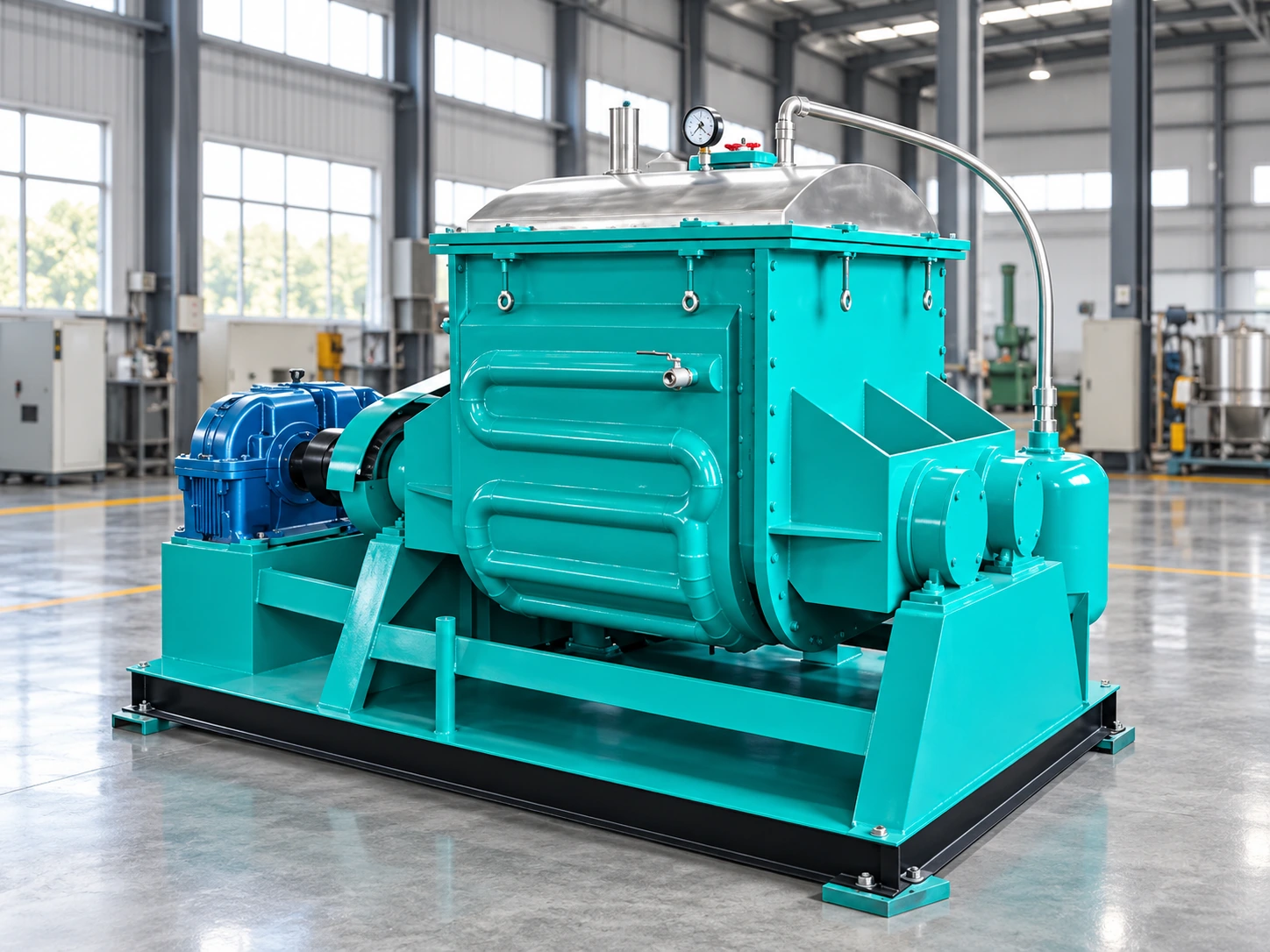
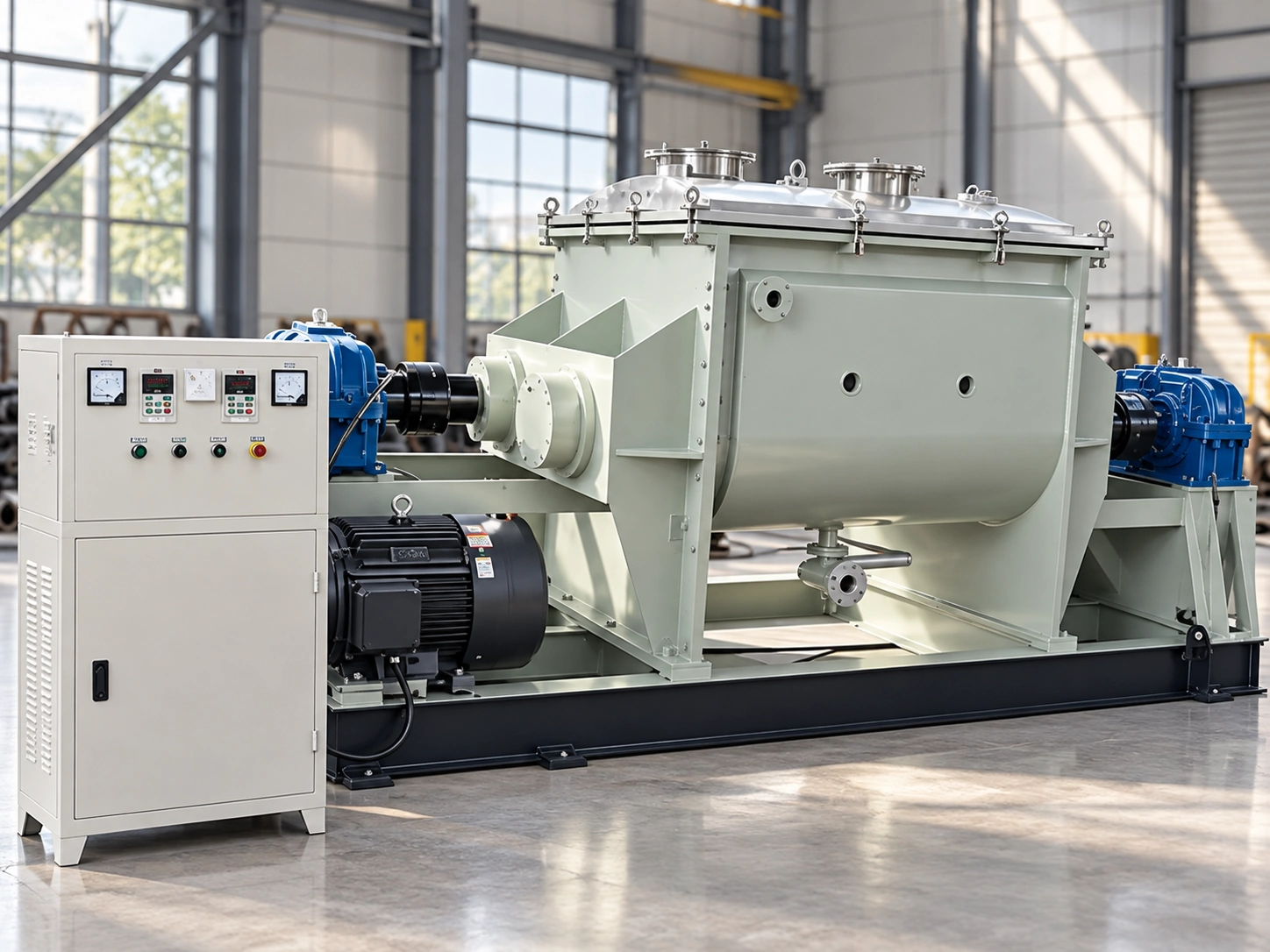
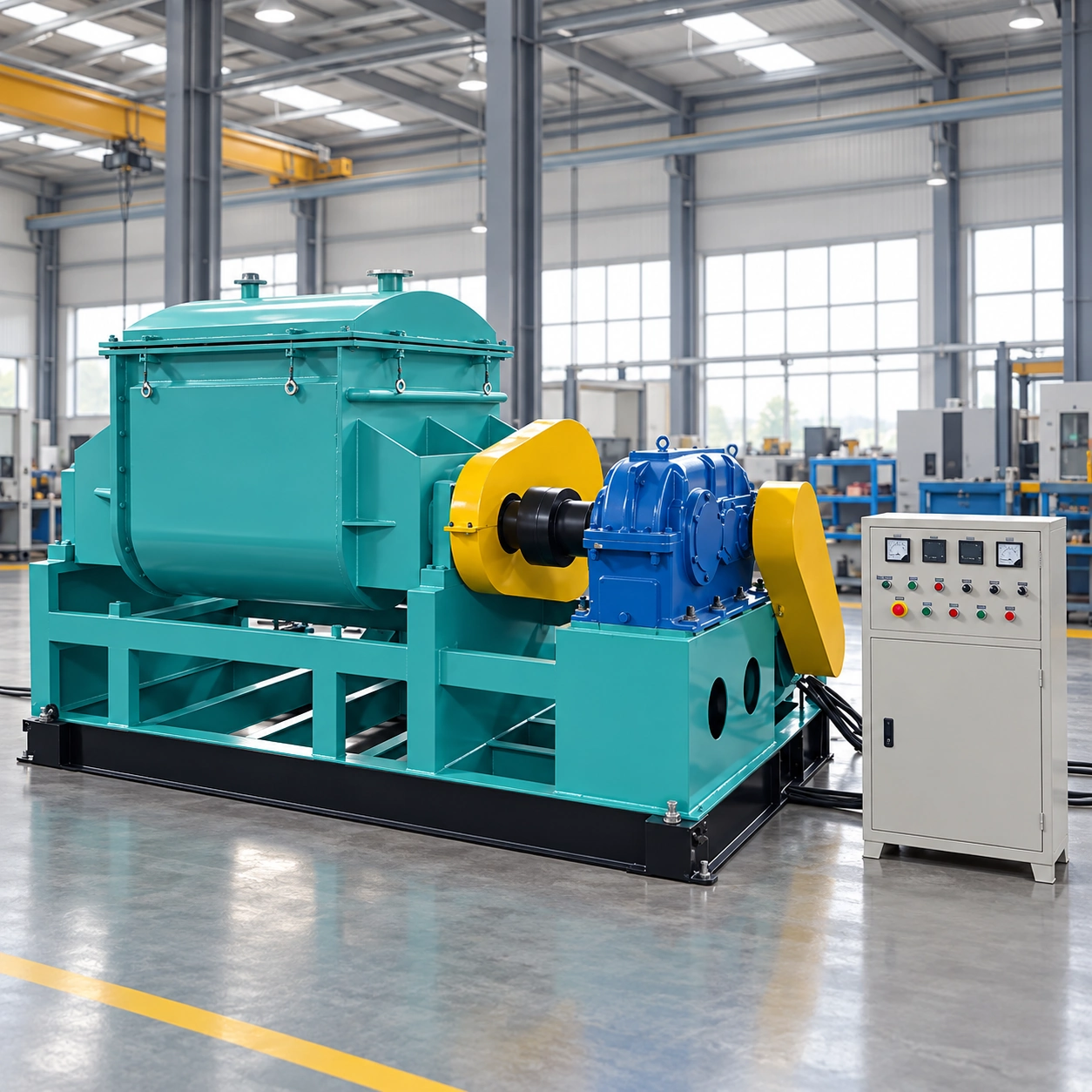
The 1000 L electric-heated Z-blade kneader mixer is intended for production-scale kneading of high-viscosity materials. Electric heating supports the shear, compression and kneading action, with operating versions and discharge arrangements selected for the material.
- 1000 L production equipment with electric heating and twin Z-shaped blades.
- Standard, pressure or vacuum configuration, with optional VFD speed adjustment.
- The source describes distinct uses for fishtail, Z-shaped, cutting and Σ-shaped blades.
- Mixing tools
- Double Z-blade system
- Operation
- Batch processing
- Process focus
- Electric-heated batch kneading
- Selection basis
- Formulation and batch size
Product Essentials
Product Details
Technical Specifications
| Specification / Volume | 5 L | 10 L | 100 L | 300 L | 500 L | 1000 L | 2000 L |
|---|---|---|---|---|---|---|---|
| Capacity (L) | 5 | 10 | 100 | 300 | 500 | 1000 | 2000 |
| Blade speed (rpm) | 33 / 23 | 33 / 23 | 35 / 22 | 37 / 21 | 37 / 21 | 35 / 25 | 30 / 16 |
| Main motor power (kW) | 0.75 | 1.1 | 3–7.5 | 11–30 | 15–37 | 22–90 | 30–110 |
| Steam pressure (MPa) | 0.3 | 0.3 | 0.3 | 0.3 | 0.3 | 0.3 | 0.3 |
| Electric heating power (kW) | 1 | 1 | 4 | 9 | 16.2 | 27 | 40 |
| Vacuum (MPa, vacuum configuration) | −0.094 | −0.094 | −0.094 | −0.094 | −0.094 | −0.094 | −0.094 |
| Pressure (MPa, pressure configuration) | 0.45 | 0.45 | 0.45 | 0.45 | 0.35 | 0.35 | 0.35 |
| Approximate weight (kg) | ~300 | ~400 | ~1250 | ~1600 | ~3000 | ~4500 | ~6500 |
The supplied technical sheet covers the complete 5–2000 L series. Columns describe separate sizes; vacuum and pressure values apply to the corresponding configurations. Usable batch volume depends on the material and configuration.
The size in the product name identifies the catalogue selection. Usable working volume and operating ratings are established for the quoted configuration.
Z-Blade Mixing Principle
The motor drives the driving blade through a gear reducer, while gears transmit motion to the driven blade. Axial and radial compression, together with regions of differing motion, repeatedly separate, knead and recombine the material to distribute its components.
Vacuum operation helps reduce large bubbles formed during mixing and kneading. The source specifies a vacuum degree of up to 0.094 MPa; this retains the original vacuum-degree wording and is not an absolute-pressure rating.
Electric-Heated Z-Blade Kneader Mixer (1000 L)
Standard, pressure and vacuum versions are available with electric heating. Discharge options include hydraulic tilting, manual tilting, ball-valve discharge and screw extrusion. Product-contact parts may be stainless steel or carbon steel, selected for the material requirements.
The equipment comprises a kneading section, base, hydraulic system, drive system and electrical control system. The kneading section includes the chamber, blade shafts, end plates and cover. A hydraulic power unit operates the cylinders for cover opening, closing and related mechanisms. A VFD may be used to adjust blade speed, with the drive and controls matched to the selected configuration.
Applications
The source describes different blade applications: fishtail blades for cellulose materials, and relatively simple Z-shaped blades for pigment dispersion and compounding in high-viscosity resin systems. These are blade-selection examples, not a statement that each machine includes every blade type.
Cutting blades are described for very viscous materials under high-power, heavy-load conditions, with rubber, iron oxide and magnetic recording materials as examples. Σ-shaped blades suit kneading that requires substantial material movement within the trough and certain extrusion-dewatering duties; examples include printing inks, chocolate and carbon materials.