
Laboratory formulation development
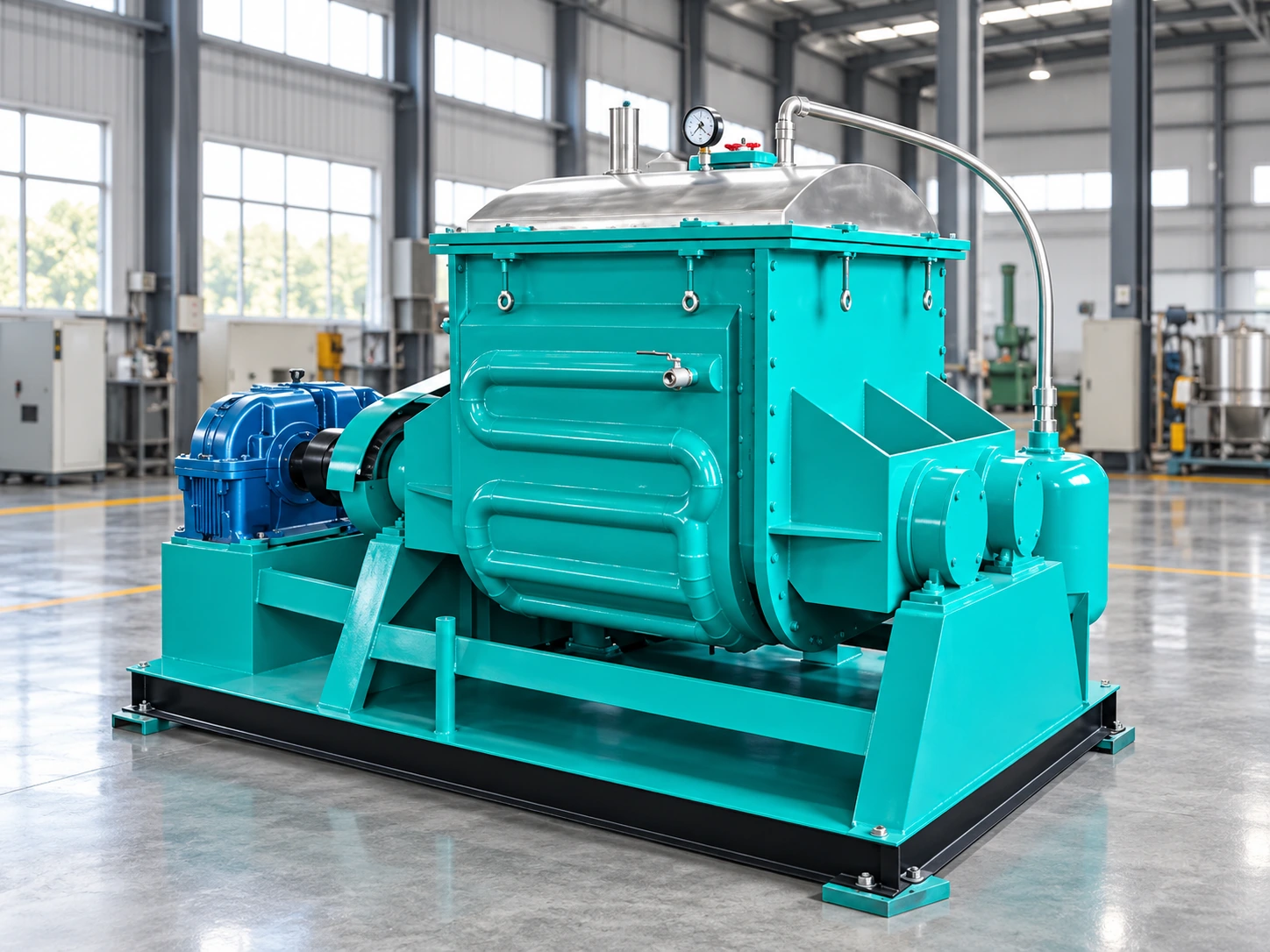
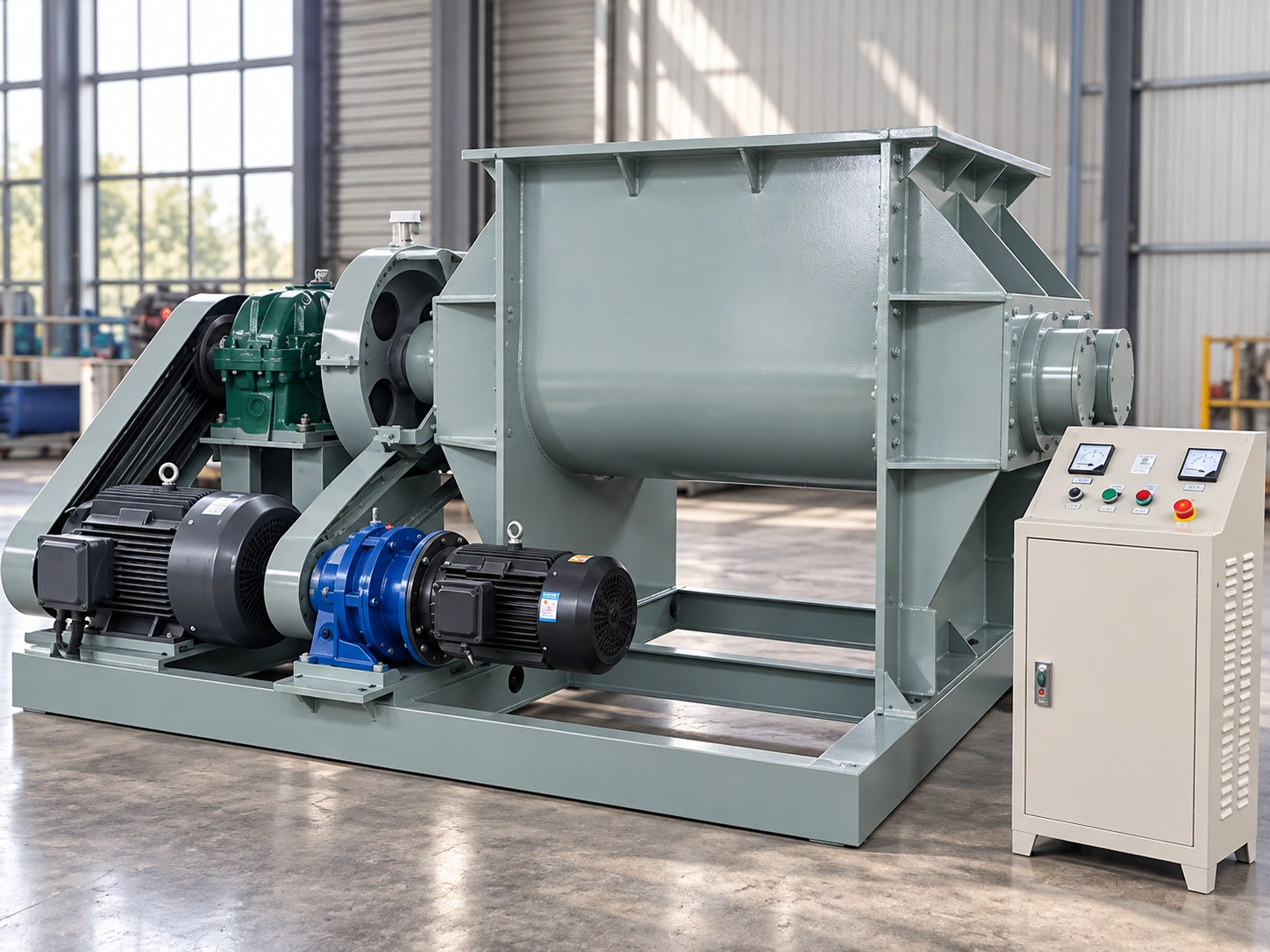
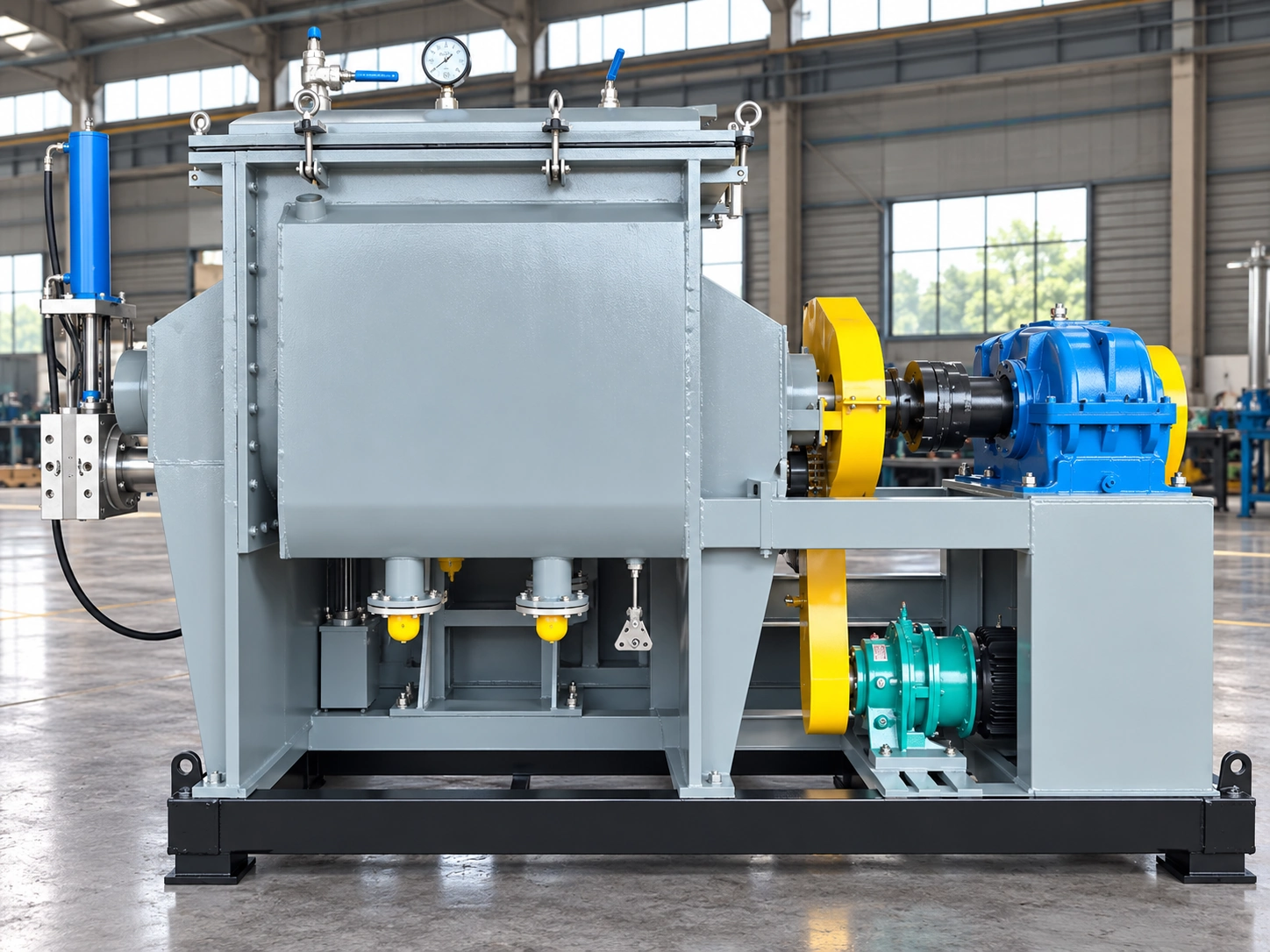
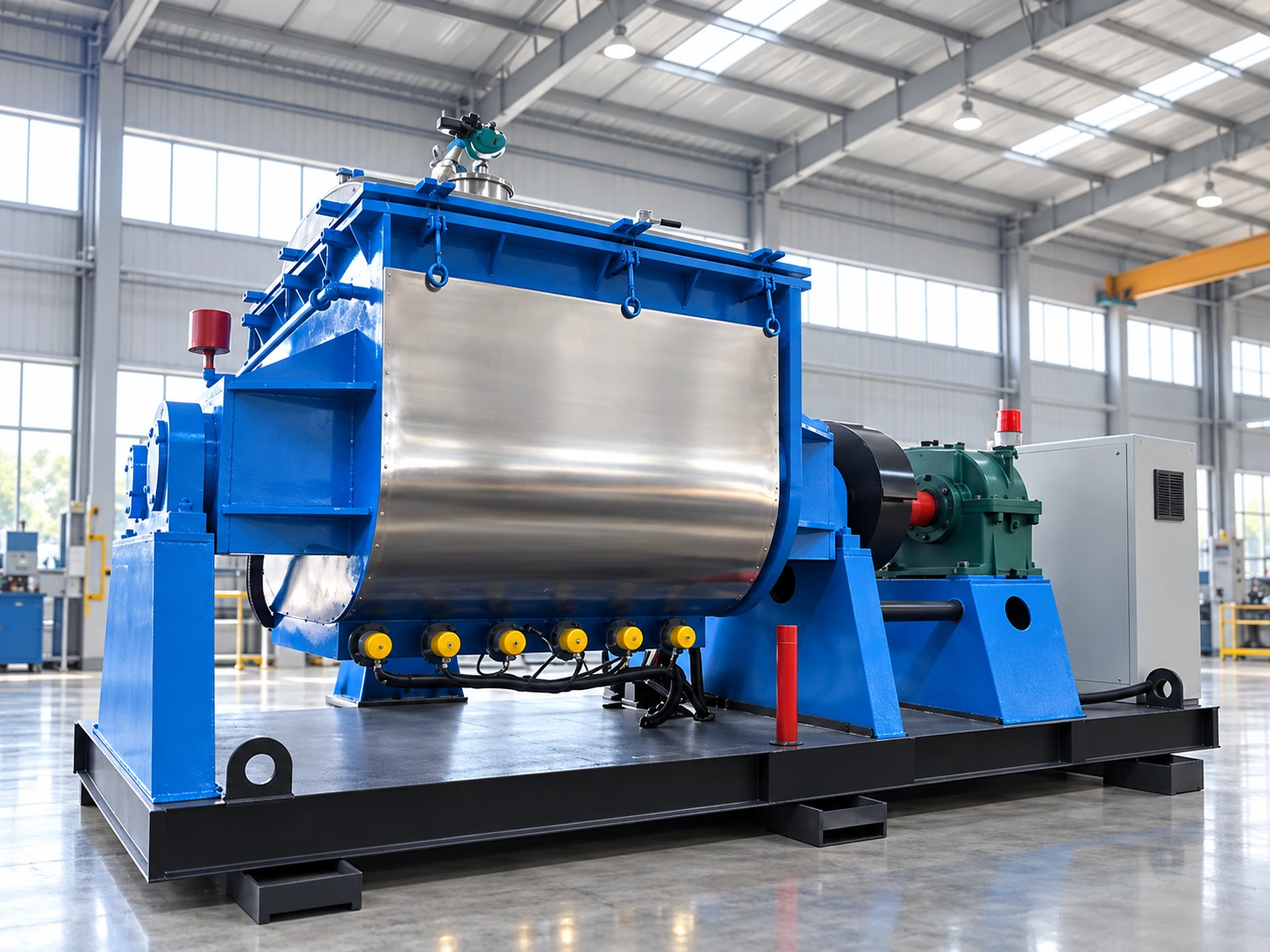
Laboratory Z-Blade Kneader Mixer (5 L)
The 5 L laboratory Z-blade kneader mixer supports small-batch mixing, formulation development and trials with viscous materials. Electric heating and twin Z-shaped blades are combined with standard, pressure or vacuum configurations to suit the test material.
- 5 L laboratory equipment for small batches and formulation trials.
- Standard, pressure or vacuum versions with electric heating.
- Tilting, ball-valve or screw discharge options, with stainless-steel or carbon-steel product-contact parts.
- Mixing tools
- Double Z-blade system
- Operation
- Batch processing
- Process focus
- Laboratory formulation development
- Selection basis
- Formulation and batch size
Product Essentials
Product Details
Technical Specifications
| Specification / Volume | 5 L | 10 L | 100 L | 300 L | 500 L | 1000 L | 2000 L |
|---|---|---|---|---|---|---|---|
| Capacity (L) | 5 | 10 | 100 | 300 | 500 | 1000 | 2000 |
| Blade speed (rpm) | 33 / 23 | 33 / 23 | 35 / 22 | 37 / 21 | 37 / 21 | 35 / 25 | 30 / 16 |
| Main motor power (kW) | 0.75 | 1.1 | 3–7.5 | 11–30 | 15–37 | 22–90 | 30–110 |
| Steam pressure (MPa) | 0.3 | 0.3 | 0.3 | 0.3 | 0.3 | 0.3 | 0.3 |
| Electric heating power (kW) | 1 | 1 | 4 | 9 | 16.2 | 27 | 40 |
| Vacuum (MPa, vacuum configuration) | −0.094 | −0.094 | −0.094 | −0.094 | −0.094 | −0.094 | −0.094 |
| Pressure (MPa, pressure configuration) | 0.45 | 0.45 | 0.45 | 0.45 | 0.35 | 0.35 | 0.35 |
| Approximate weight (kg) | ~300 | ~400 | ~1250 | ~1600 | ~3000 | ~4500 | ~6500 |
The supplied technical sheet covers the complete 5–2000 L series. Columns describe separate sizes; vacuum and pressure values apply to the corresponding configurations. Usable batch volume depends on the material and configuration.
The size in the product name identifies the catalogue selection. Usable working volume and operating ratings are established for the quoted configuration.
Z-Blade Mixing Principle
A pair of cooperating, rotating Z-shaped blades subjects the material to shear and compression. This action compounds, kneads and blends semi-dry, rubber-like and other high-viscosity viscoelastic materials, and supports size reduction and dispersion.
Small-batch kneading allows the mixing behavior of a formulation to be examined during laboratory work. It does not by itself establish test precision, reaction speed or a guaranteed scale-up result.
Laboratory Z-Blade Kneader Mixer (5 L)
Standard, pressure and vacuum versions are available with electric heating. Discharge options include hydraulic tilting, manual tilting, ball-valve discharge and screw extrusion. Product-contact parts may be stainless steel or carbon steel, selected for the material requirements.
Hydraulic and manual tilting are alternative tipping arrangements, while ball-valve and screw extrusion discharge provide other unloading methods. Options are selected for the test material and operating needs, rather than supplied together as standard on every machine.
Applications
Chemical and elastomer applications include high-viscosity sealants, silicone rubber, neutral-cure and acid-cure glazing sealants, resins, plastics and rubber. Other materials include inks, pigments, dyes and battery materials.
Further applications include pulp, cellulose, pharmaceutical and cosmetic materials, and high-viscosity food materials such as chewing gum and bubble gum. Equipment selection depends on the formulation, product-contact requirements and cleaning conditions.