


Gravimetric Filling: Separate Net Weight, Density and Fill Variation
Separate container tare, density-based volume conversion and individual-fill variation before accepting a liquid-filling line.
Read more
Separate container tare, density-based volume conversion and individual-fill variation before accepting a liquid-filling line.
Read more
Qualify pusher centrifuge washing with a common sampling boundary. Assess impurity, residual liquid, valuable-product loss and wash consumption together.
Read more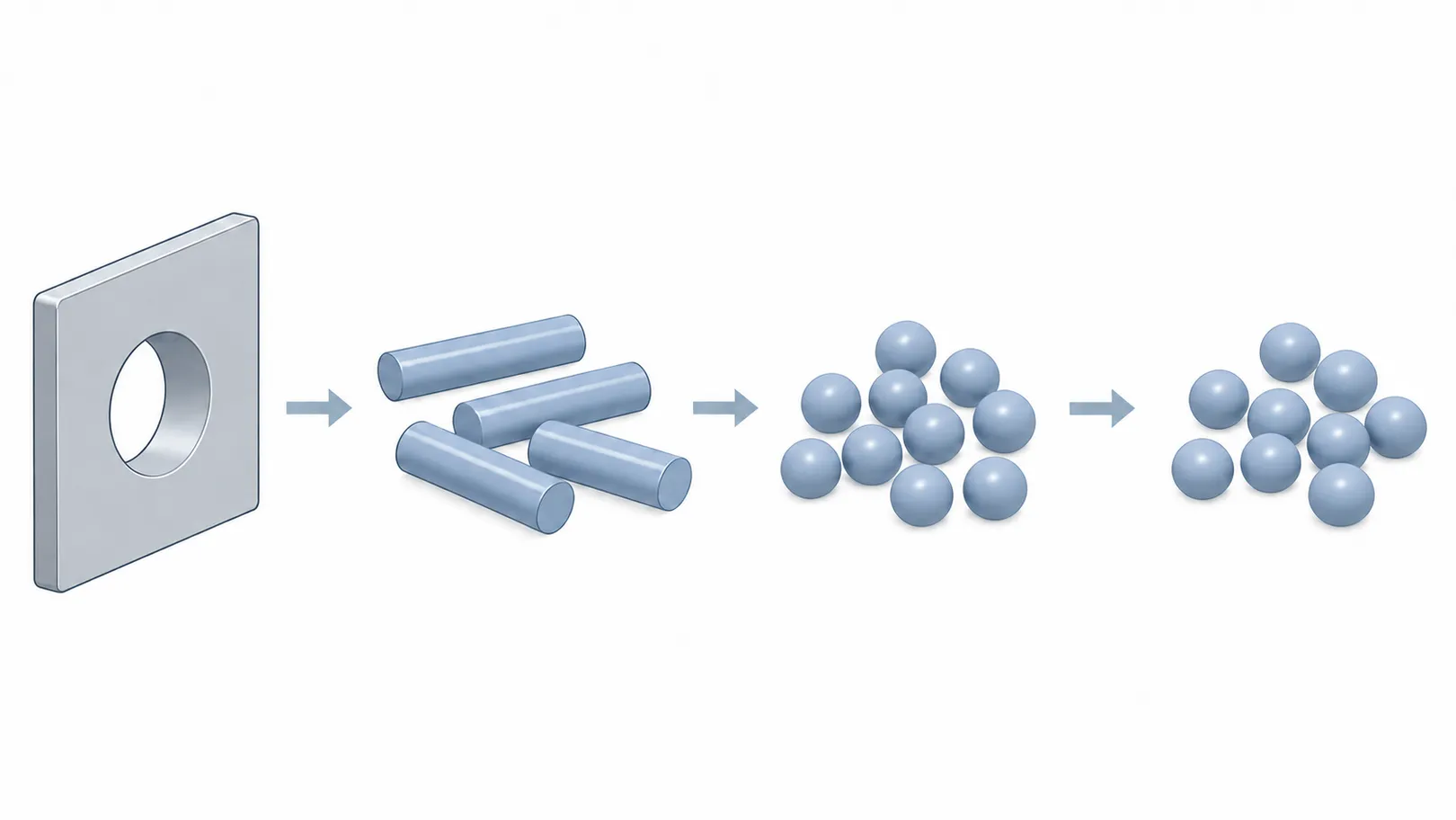
Separate die opening, wet extrudate and final pellet dimensions. Define the material state, measurement method and trial evidence in a granulator purchase enquiry.
Read more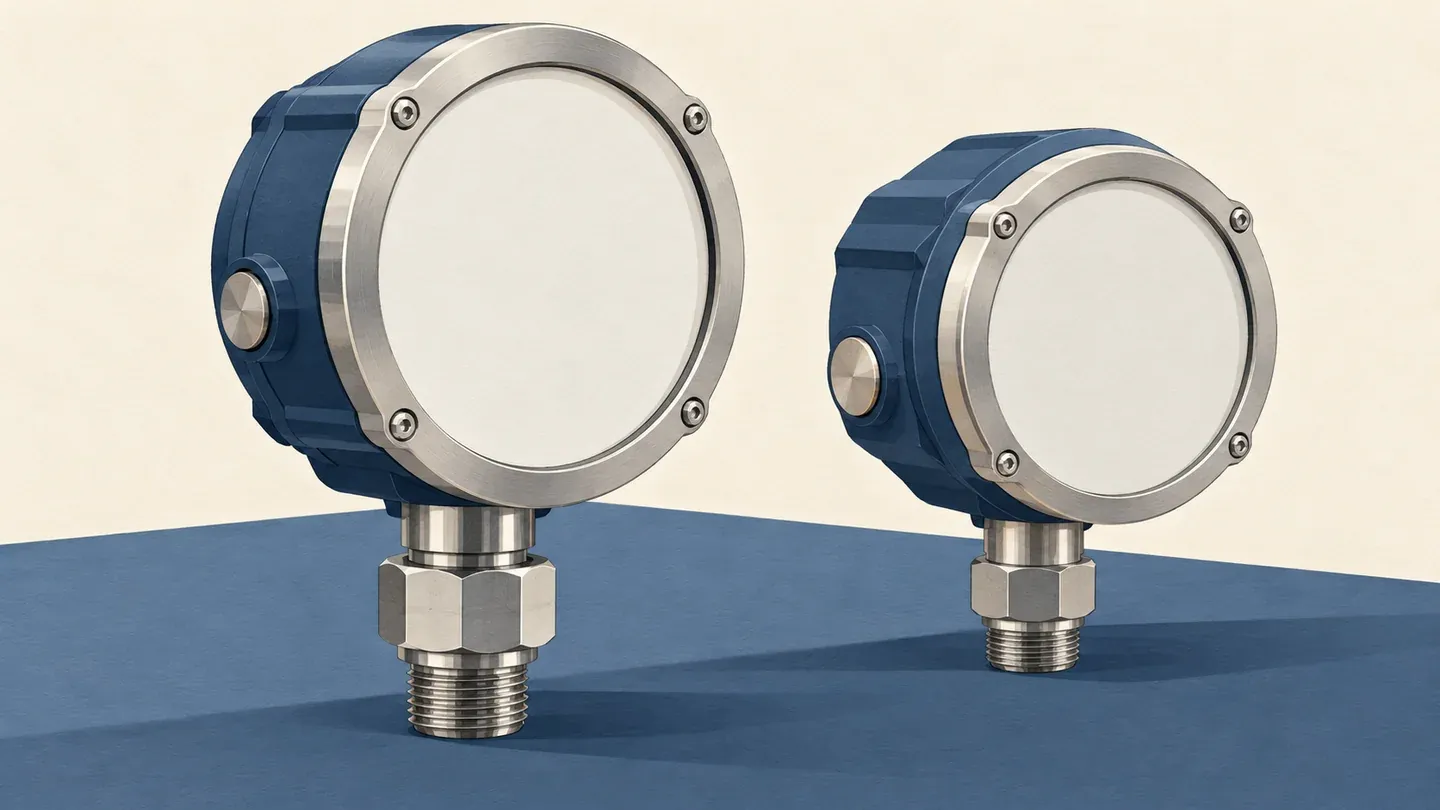
Separate absolute pressure, gauge pressure and vacuum-degree magnitude when comparing kneader quotations; define loaded chamber evidence before acceptance.
Read more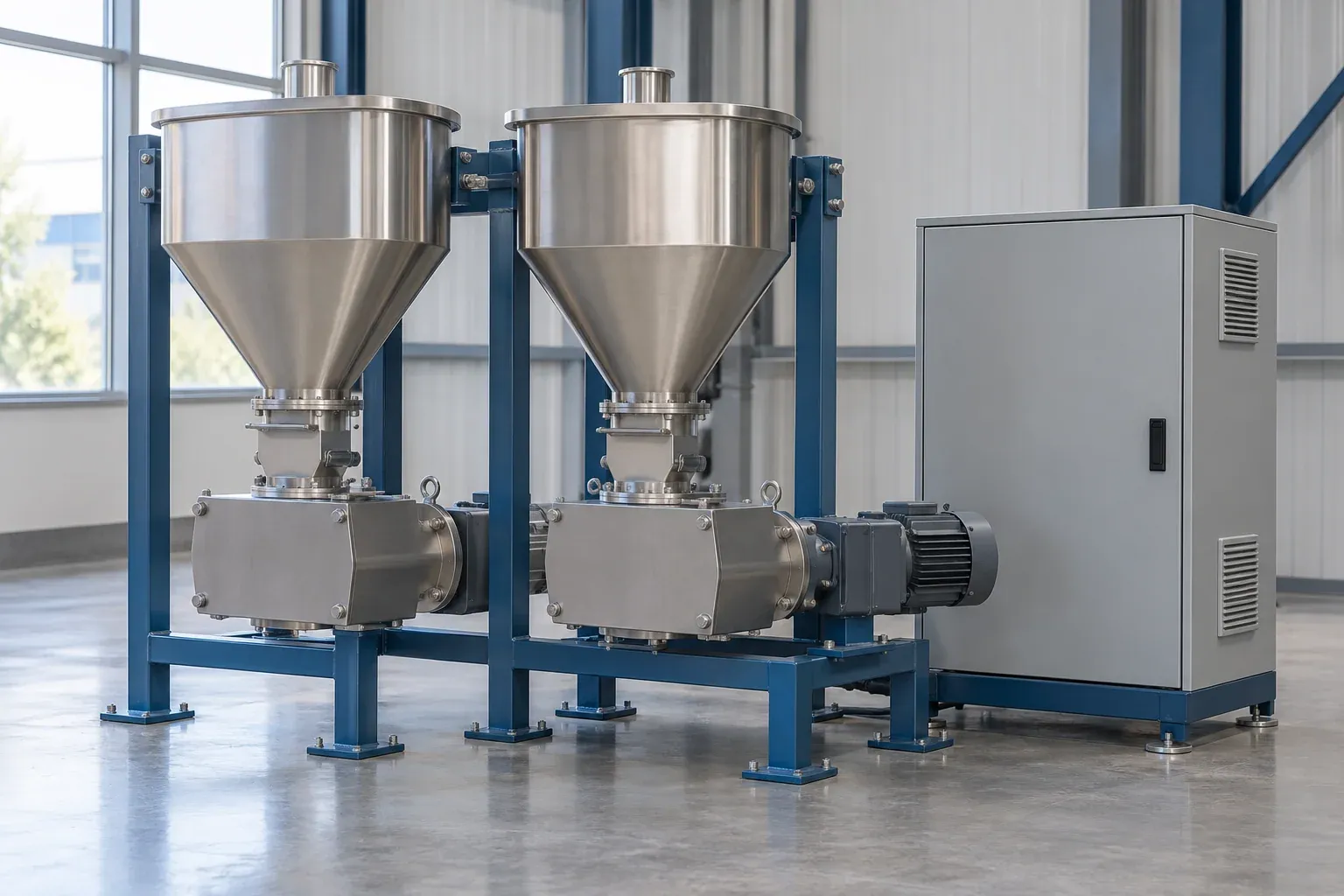
Distinguish working hold-up and mean time from residence-time distribution,blend variability and start-up/changeover acceptance.
Read more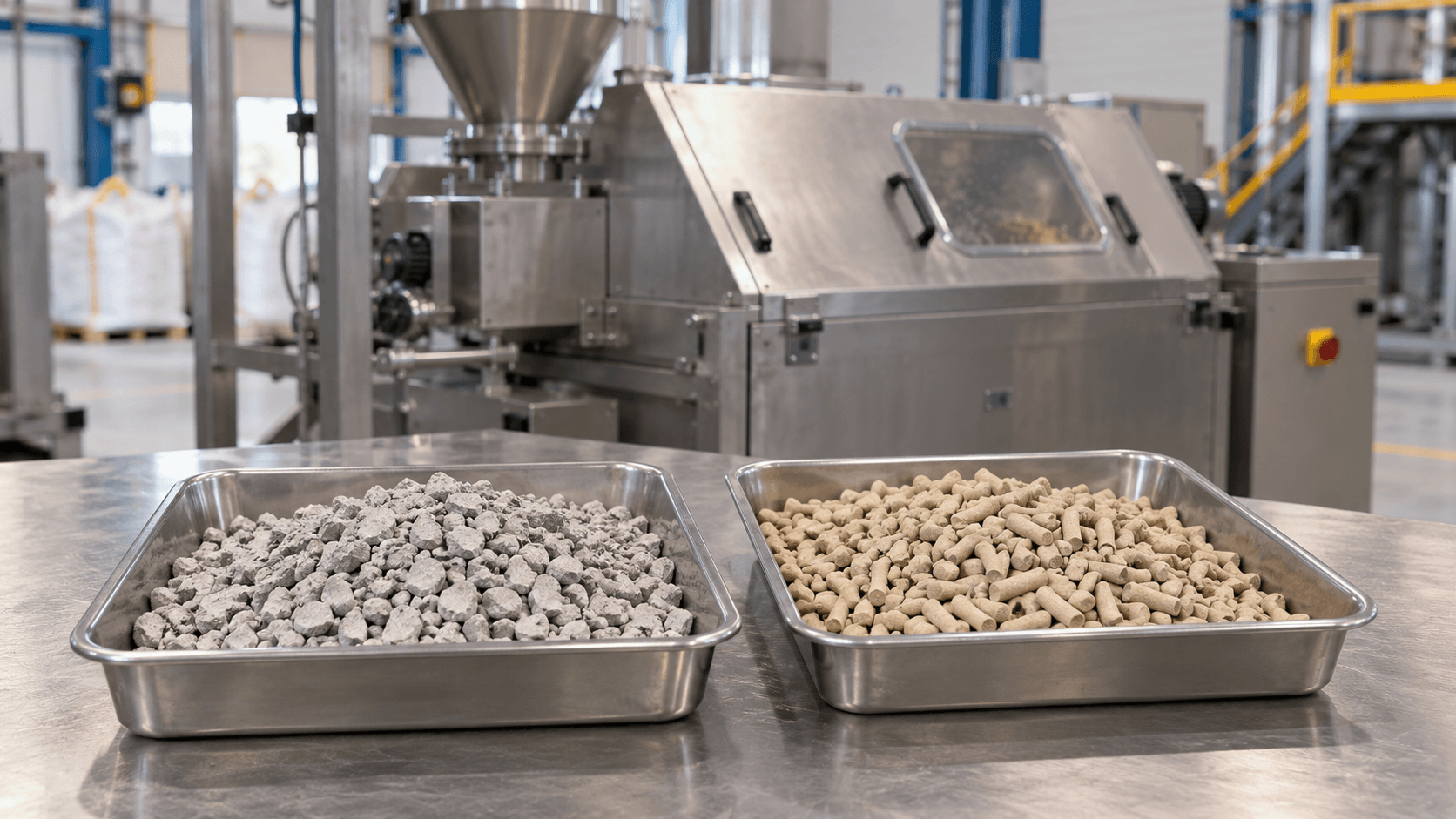
Compare feed behavior, liquid and drying constraints, net accepted granule output and material-trial requirements before choosing industrial granulation equipment.
Read more
The selection depends on the feed and crystal-growth objective. Identify circulation and classification requirements before comparing equipment quotations.
Read more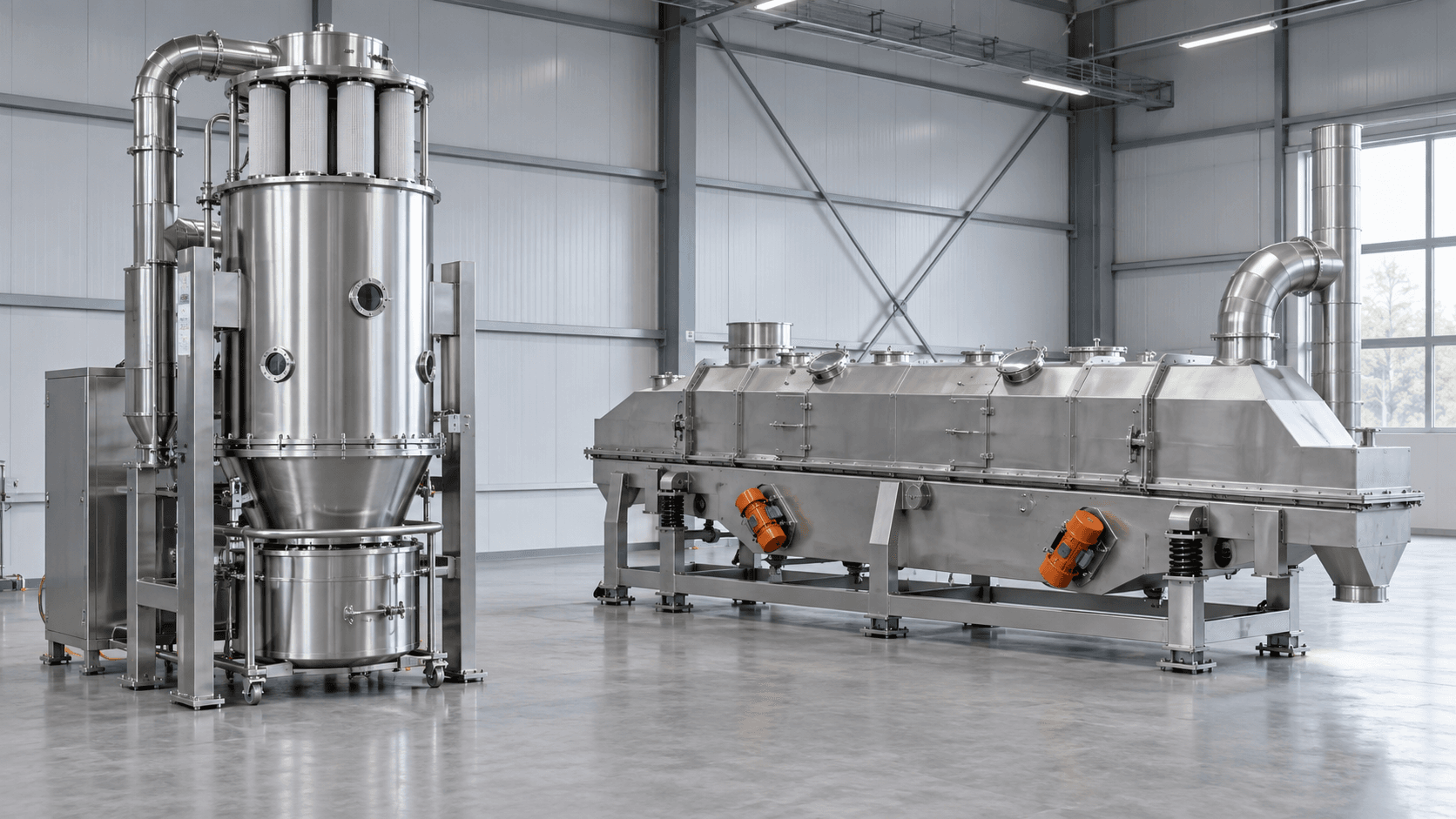
Match drying mode to feed stability, campaign size and acceptance sampling. Specify the drying duty before comparing catalogue capacities.
Read more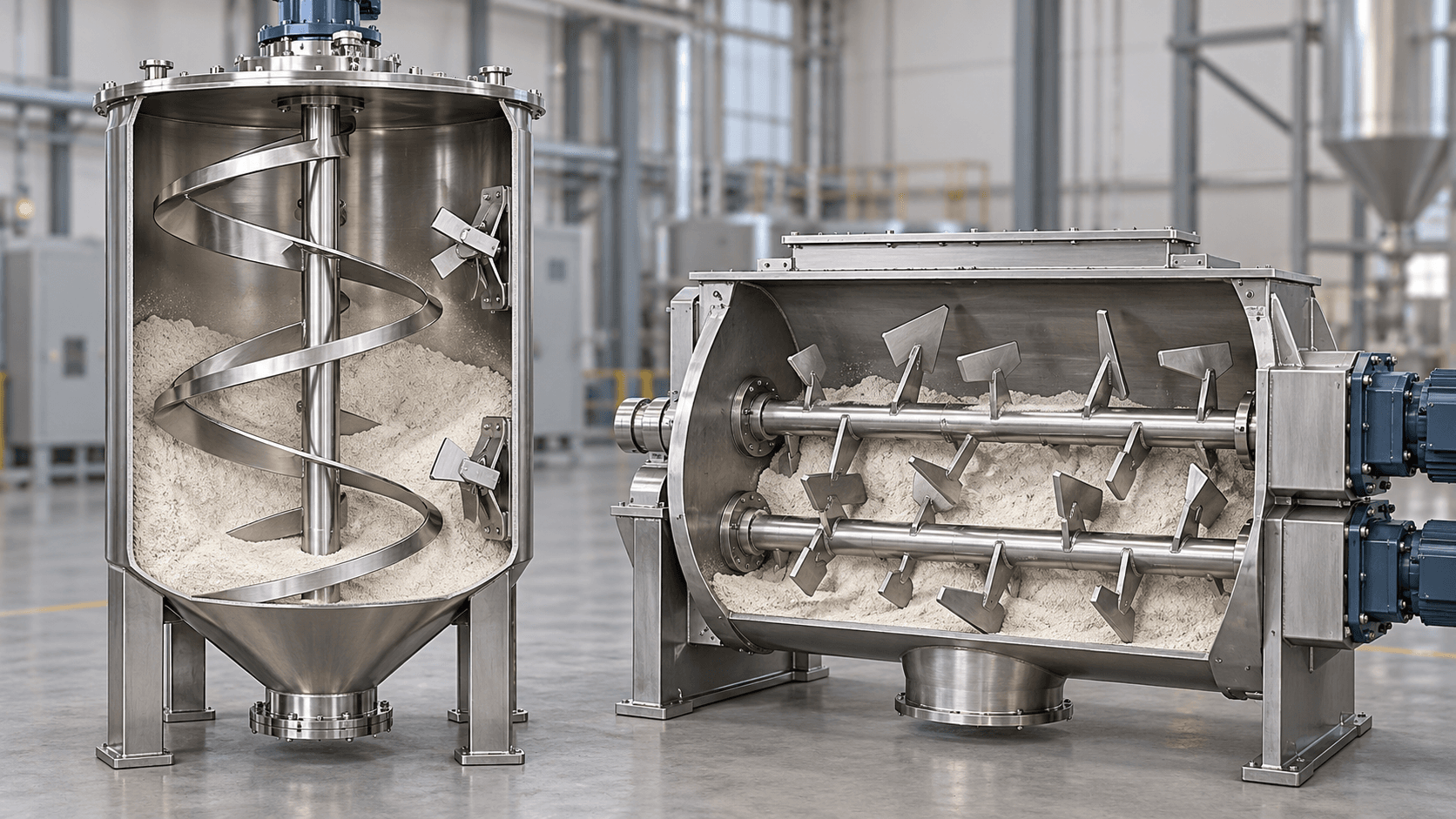
Neither mixer type wins for every powder. First identify the ribbon configuration, then compare both options with the same material and acceptance criteria.
Read more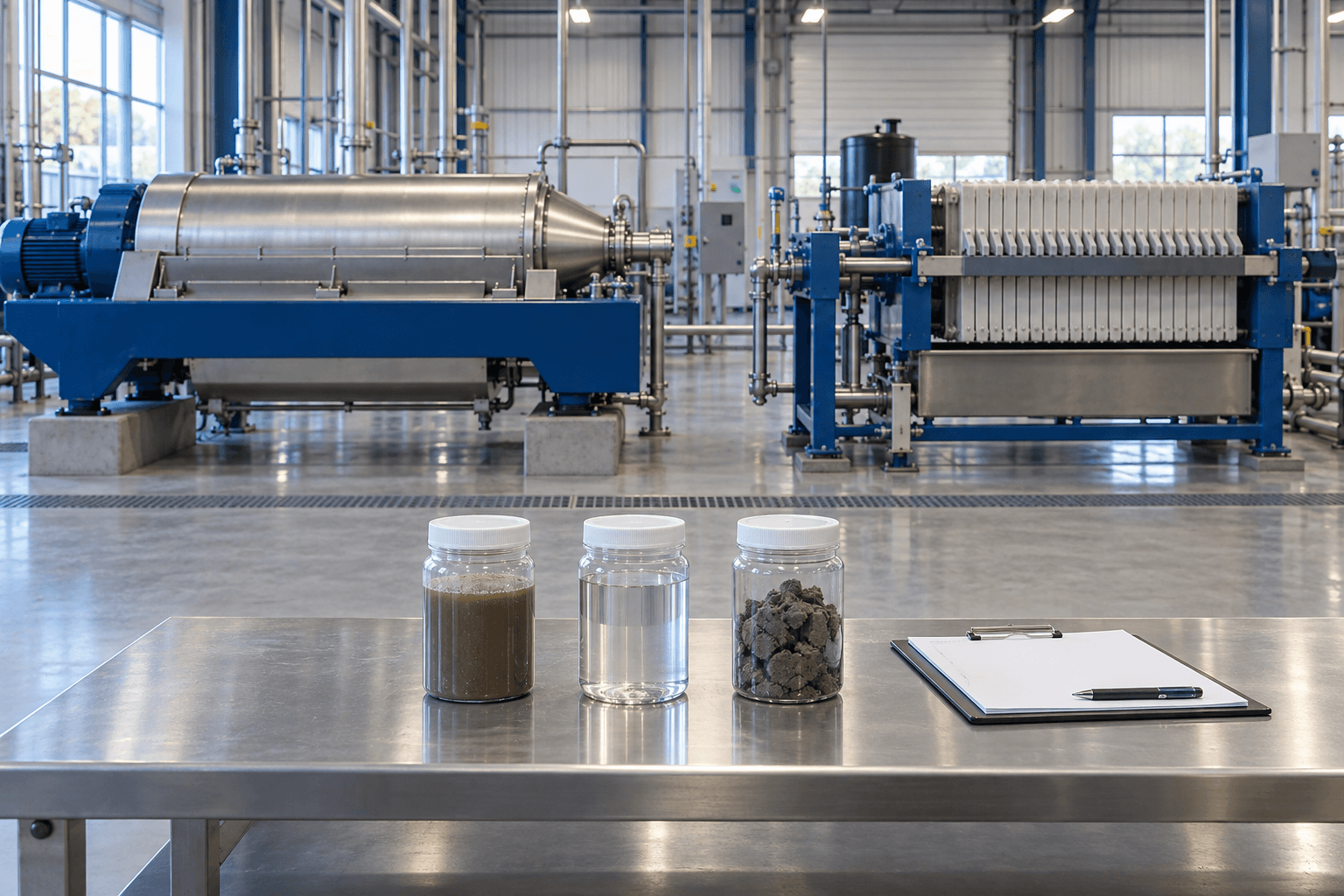
A decanter centrifuge separates by accelerated settling and continuously conveys the separated solids. A recessed-chamber filter press retains solids behind filter cloth and discharges the cake between filtration cycles. For a slurry dewatering project, compare these mechanisms against measured feed behaviour, required liquid clarity, cake handling and the complete operating cycle—not equipment labels alone.
Read more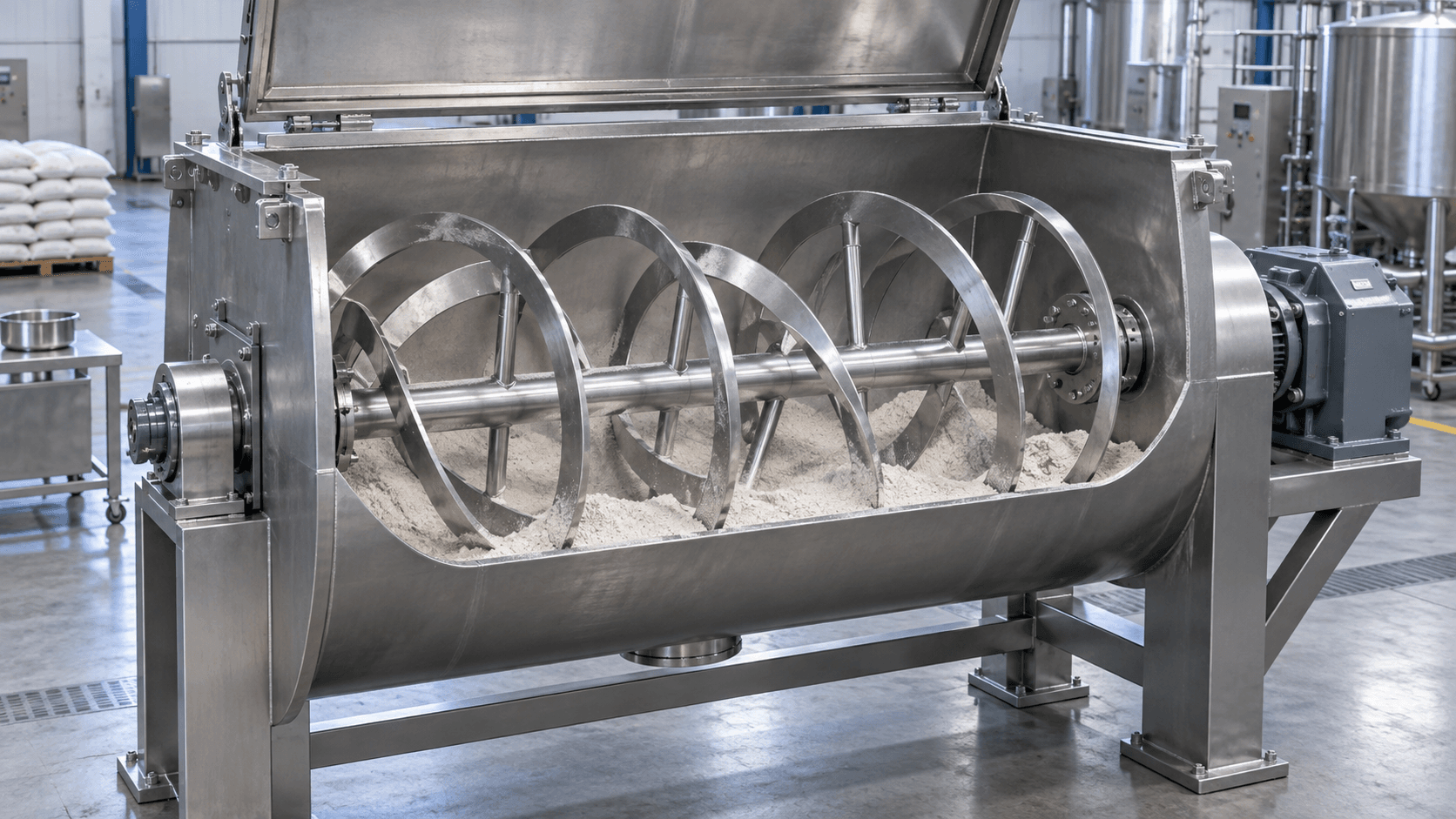
The ribbon blender working principle combines axial movement in opposite directions with radial turnover inside a horizontal trough. Inner and outer helical ribbons circulate the powder through the batch. That explains the mixing action, but it does not establish a cycle time or uniformity guarantee for an unknown material. Equipment selection begins with the batch volume, bulk density, flow behavior and required blend result.
Read moreNo published articles are available in this section yet.